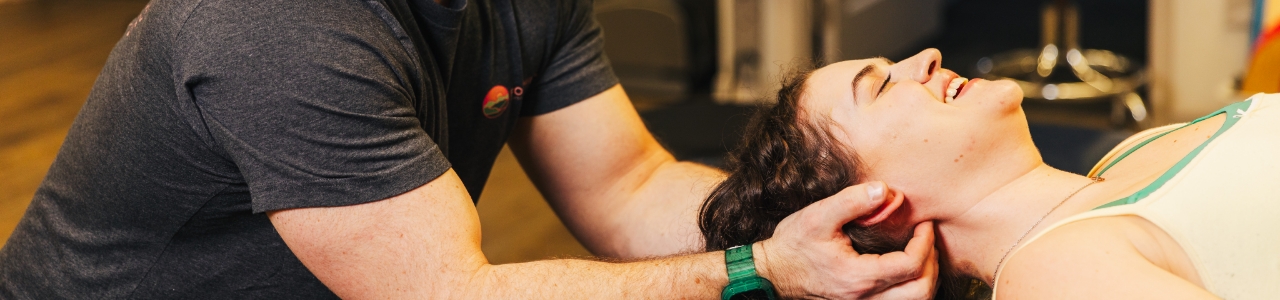










Restoring the Glide
A Guide to Joint Mobilizations at Foothills Physical Therapy Group
When a joint feels stuck, stiff, or restricted, it often changes the way you move your entire body. Many of our patients are finding the freedom to move again through joint mobilizations in Knoxville, TN as a primary way to restore natural, fluid motion.
Joint mobility is essential for efficient movement, load distribution, and long-term tissue health. When joints lose their ability to move freely or through appropriate ranges, surrounding muscles, tendons, and nerves are often forced to compensate. This specialized manual therapy technique involves your therapist applying precise, passive movements to a joint to improve its mobility and reduce discomfort.
At Foothills Physical Therapy Group, we are fully invested in your recovery, using hands-on expertise to ensure your joints move exactly as they were designed to.
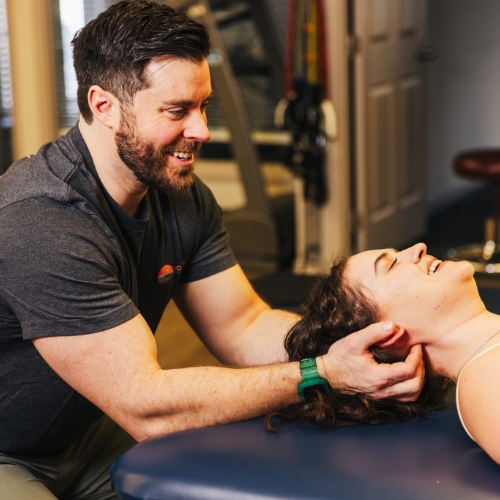
Understanding the Mechanics of Joint Play
Every joint in your body has a certain amount of joint play necessary for healthy movement. For you to lift your arm or bend your knee, the bones inside the joint must glide, roll, and slide against each other perfectly. Over time, limitations in this movement can lead to pain, stiffness, altered mechanics, and decreased tolerance to daily or athletic demands. Restoring joint motion is a critical component in reducing symptoms and improving overall movement quality. Joint mobilizations help to gently stretch the joint capsule and the surrounding ligaments, which helps to grease the gears of your musculoskeletal system.
When Our Clinicians Use Joint Mobilizations for You
At Foothills Physical Therapy Group, we integrate joint mobilizations as a strategic part of your comprehensive plan of care.
Our clinicians use skilled joint mobilization techniques based on precise assessment findings, identifying which joints require improved mobility or greater stability. Our therapists may suggest this approach when they identify that a mechanical block is preventing you from progressing with your strengthening or balance exercises.
Mobilizations are never performed in isolation, but are intentionally paired with active movement, strengthening, and neuromuscular control to ensure functional improvement. By restoring the proper glide to a joint, we make it much easier for you to achieve the correct alignment needed for long-term healing and performance.
Common Situations Where Joint Mobilizations May Help
You might find that joint mobilizations offer the relief you need if you are experiencing any of the following:
- Stiffness in the ankle following a sprain that limits your ability to walk or squat.
- A pinching sensation in the shoulder when reaching overhead or behind your back.
- Persistent neck or upper back tension that restricts your ability to check your blind spot.
- Hip tightness that makes getting in and out of a car difficult.
- Restricted movement in the wrist or hand following a period of immobilization.
- Loss of knee extension or flexion after a surgical procedure.
- Lower back stiffness that feels better with gentle movement but returns with rest.
- General joint achiness related to early-stage arthritic changes.
How Joint Mobilizations at Foothills Physical Therapy Group Support Your Recovery
We use joint mobilizations to help your body rediscover its natural movement patterns. Our objective is to restore normal joint mechanics, improve load-sharing throughout the body, and create movement that feels smoother, stronger, and durable enough to withstand the physical demands of daily life. Here is how this technique helps you move forward:
- Inhibiting Pain Signals: The gentle, rhythmic movement of the joint can help down-regulate your nervous system, providing a natural decrease in discomfort.
- Expanding Range of Motion: By stretching the joint capsule itself, we can often unlock degrees of movement that stretching alone cannot reach.
- Improving Joint Nutrition: Movement encourages the flow of synovial fluid within the joint, which provides essential nutrients to the cartilage.
- Restoring Normal Mechanics: Helping a joint glide properly ensures that your muscles can pull at the right angles, leading to better strength and efficiency.
- Enhancing Proprioception: Mobilizing the joint helps your brain better sense where your limb is in space, which improves your balance and coordination.
A Heart for Your Healing Journey
At Foothills Physical Therapy Group, our mission is built on the belief that everyone deserves to be treated with dignity and expert care. We intentionally bridge the gap between high-volume corporate clinics and expensive specialty practices by offering one-on-one attention while utilizing your insurance benefits. We value authenticity and high energy, which means we are right there with you, encouraging your progress and celebrating every inch of new movement you gain.
Our daily commitments to your health include:
Genuine Interaction
We show up as our real selves to build a trusting connection with you.
Individualized Excellence
We prioritize your personal physical goals over meeting company productivity quotas.
Clinical Integrity
We use the most effective, hands-on techniques to ensure your recovery is built to last.
Frequently Asked Questions
Is joint mobilization the same as a chiropractic adjustment?
Will joint mobilizations hurt?
How quickly will I see results?
Move Better with Skilled Joint Mobilization
If stiffness or restricted motion has been limiting how you move, joint mobilizations may be the key to restoring smoother, more confident function. At Foothills Physical Therapy Group, we begin with a thorough evaluation to determine which joints need improved mobility and how that fits into your overall plan of care. Our hands-on techniques are always paired with targeted exercise and movement retraining so your progress carries over into real life. You do not have to accept feeling stuck, guarded, or restricted in your daily activities. Schedule your evaluation today and let our team design a personalized strategy to help you move with greater ease, strength, and long-term resilience.
Your Next Steps…
- Request An Appointment
- Receive A Custom Treatment Plan
- Work Hard and Progress In Your Recovery
- Recover & Enjoy Life Pain-Free