
November 2026 Newsletter
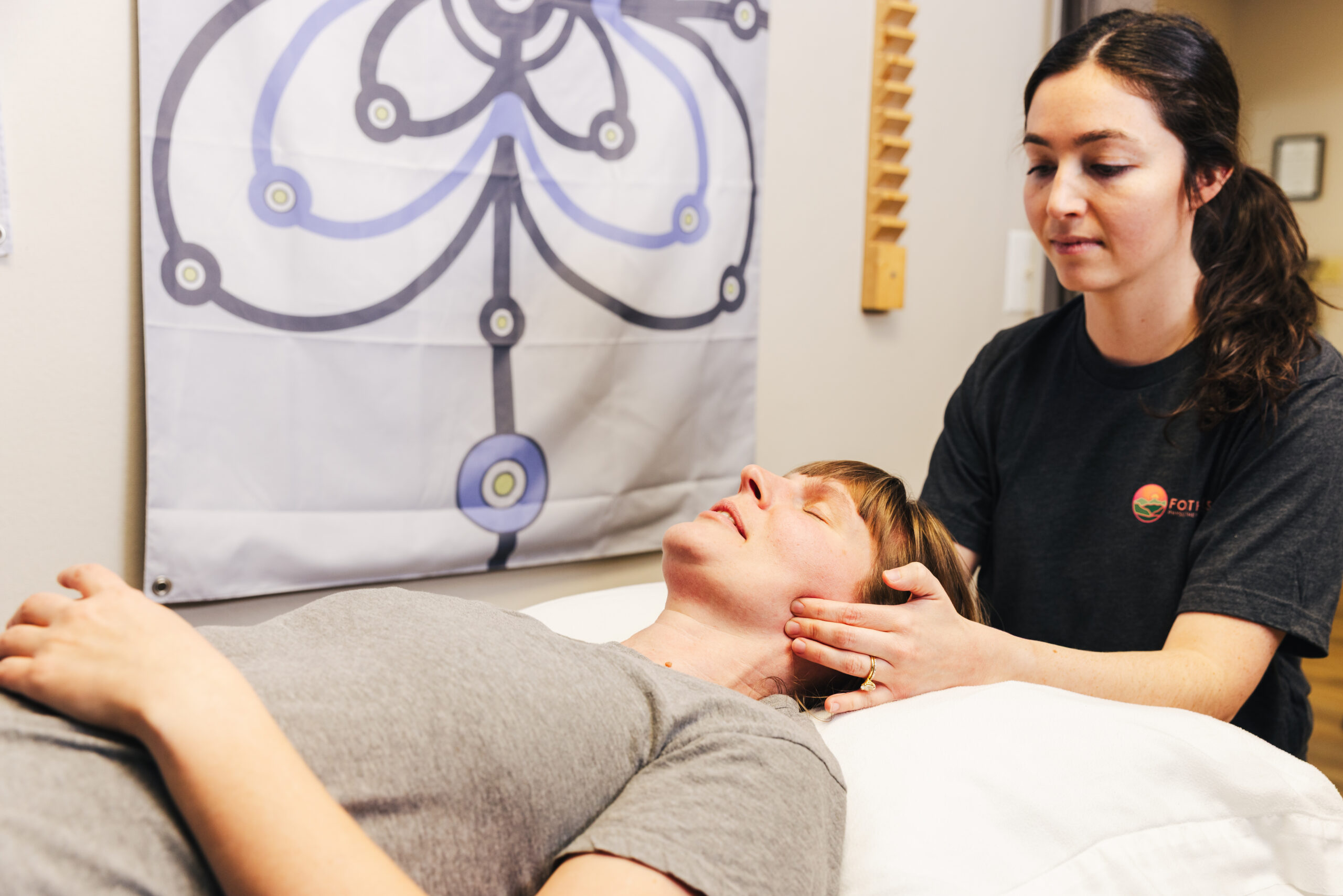
Jaw-Dropping News: TMJ Can Cause More Than Jaw Pain!
You wake up with a headache, then notice a clicking sound when you’re eating a particularly chewy bagel for breakfast. Now, there’s a dull ache near your ear. What gives?
It might surprise you, but all of these symptoms can actually point to a problem with your temporomandibular joint–that is, your jaw joint. TMJ dysfunction can cause problems that extend well beyond your mouth. From headaches to neck stiffness, this small joint can create some surprisingly big problems.
Fortunately, the team at Foothills Physical Therapy Group is here to help you connect the dots between those troublesome symptoms and the underlying dysfunction in your jaw.
Meet Your TMJ: A Small Joint With a Big Job
Your two TMJs connect your lower jaw to your skull, just in front of each ear, where they help you talk, chew, yawn, laugh, and more. They work with the surrounding tissues in your head to help keep your jaw moving comfortably. If something goes wrong with these structures, TMJ dysfunction (also called temporomandibular disorder or TMD) can develop.
Several factors can contribute, including:
- Frequently grinding or clenching your teeth
- Joint irritation, such as from arthritis
- A jaw injury
- Overuse of the jaw muscles, such as from prolonged or frequent gum-chewing
Wait, My Jaw Can Cause THAT?
Here’s where things get interesting.
Your jaw muscles work closely with muscles around your head and neck. Plus, the nerves that carry sensation from your jaw share processing pathways with nerves in the head and upper neck.
This means your brain may interpret pain originating around your jaw as discomfort somewhere else. This referred pain explains why TMJ dysfunction can be tricky to recognize, and why its symptoms often extend beyond just jaw pain, including:
- Frequent Headaches: Jaw muscle tension can contribute to headaches around your temples, especially during chewing or clenching.
- Earaches: Ear hurting, but no ear infection? Pain around the jaw sometimes feels like it’s coming from inside your ear.
- Toothaches: Similarly, jaw muscle pain can sometimes feel like tooth pain.
- Neck Discomfort: Jaw and neck muscle problems can occur together, making everyday movement uncomfortable.
- Facial Pain: Sometimes, the pain spreads into your cheeks, temples, or around your eyes.
- Ear Fullness or Ringing: Some people with TMD report pressure or tinnitus.
- Difficulty Opening Your Mouth: Jaw stiffness or catching can make eating a sandwich feel like an Olympic event.
Sound familiar? These symptoms don’t automatically mean you have TMD. Other medical or dental conditions can produce similar complaints, so a thorough assessment is important.
Why Chasing Symptoms Isn’t The Answer for TMJ Pain
Yes, there are things you can do to alleviate TMD symptoms, like taking aspirin for a headache or avoiding your grandma’s extremely chewy saltwater taffy. However, these approaches don’t actually address the irritation in your TMJ, so you might find that your symptoms keep returning.
A better choice is to visit the team at Foothills Physical Therapy Group. We can perform a comprehensive assessment of your jaw joint and dig deep into potential contributing factors you might not have considered, such as whether you tend to clench your jaw during stressful work meetings or have trouble chewing tough foods.
Helping Your Jaw Get Back to Business
Once we’ve figured out your specific contributing factors, treatment can focus on gradually improving comfortable movement and restoring function. This might include:
Manual Therapy
Various hands-on techniques can help reduce discomfort and improve mobility throughout the jaw area.
Gentle Jaw Exercises
Controlled movements can improve jaw coordination, helping you open and close your mouth with ease.
Neck Exercises
Targeted strengthening and mobility work can help address any related neck symptoms.
Activity Modifications
Temporarily choosing softer foods, taking smaller bites, and avoiding excessive gum chewing can give those irritated tissues a break.
Self-Care Tips
Understanding your triggers–such as jaw clenching or your beef jerky habit–helps you manage symptoms between appointments.
Sources: https://www.nidcr.nih.gov/health-info/tmd, https://fomm.amegroups.org/article/view/52879/html
Getting Straight to the Point about Dry Needling
Needles? In physical therapy?
Yep, you heard that right! Dry needling is an evidence-based PT technique that uses thin, sterile needles to target specific muscles and other soft tissues to help manage pain and improve movement.
Unfortunately, there’s plenty of confusion surrounding this treatment.
Poking a Few Holes in Common Dry Needling Myths
Myth #1: Dry Needling Is Just Like Getting a Shot
No injections here! In fact, the treatment is called “dry” needling because the needle doesn’t contain any medication. Instead, we insert the needles into areas of tissue restriction to reduce pain and help loosen things up.
Myth #2: Dry Needling Is Super Painful
Surprisingly, most patients don’t report any intense pain. Instead, the insertion itself might cause a quick pinch or brief muscle twitch, with some temporary soreness afterward (similar to what you experience after a good workout).
Myth #3: Dry Needling and Acupuncture Are the Same Thing
Same type of needles, different approaches. Dry needling is based on an assessment of muscles, movement, and pain. Acupuncture is rooted in Traditional Chinese Medicine and follows a different treatment framework (although some techniques do overlap).
Myth #4: Dry Needling Instantly Fixes Everything
If only it were that easy! Dry needling can definitely provide short-term pain relief for certain muscle-related conditions, but it actually works best as part of a comprehensive PT program that includes targeted exercises, movement training, and practical strategies to support lasting improvements.
Ready to Get the Point?
Curious if dry needling might be a useful part of your care plan? The friendly team at Foothills Physical Therapy Group can explain the benefits, discuss potential risks, and determine whether it fits your needs. Contact us today to get started.


Staff Spotlight: Meet Jessica Skyler Woidtke, DPT!
As the newest member of our team, Skyler brings a fresh perspective to patient-centered care at Foothills Physical Therapy Group. She completed a bachelor’s degree in Kinesiology at the University of Tennessee, Knoxville and then received a Doctorate in Physical Therapy from East Tennessee State University. She prioritizes understanding each patient’s goals, values, and lifestyle to guide evaluation, treatment planning, and progression. Viewing patients as active partners in their care, Skyler utilizes a holistic, movement-focused approach that equally considers physical, emotional, and social factors. She also emphasizes patient education and collaboration, so that her patients feel empowered and confident throughout their recovery. Through a combination of hands-on skills, evidence-based techniques, and a strong therapeutic relationship, Skyler creates a warm, supportive environment where patients feel heard, motivated, and are fully invested in their progress. In her spare time, Skyler enjoys cheering on the Tennessee Volunteers and relaxing at home with a good movie. She’s also an avid traveler, and has already visited five of the world’s seven continents, with plans to visit all seven within her lifetime.
What Our Patients Are Saying
Don’t Just Take Our Word For It
Hear How We’ve Helped Others Get Back to Life
Every story you’ll see here started with someone who just wanted to feel better and get back to living. These videos share what that journey looked like, what changed along the way, and why the right support made all the difference.

– Patti
★★★★★
“Foothills Physical Therapy Group, and specifically J. S. Woidtke, has changed my life! After 2 years of persistent, nagging pain, they have in a matter of weeks alleviated my issues and given me all the tools I need to live a healthier and more mindful life (and sleep through the night, finally)! I cannot recommend this group enough if you are suffering from physical pain…it will be the best decision you ever make!”
— Drew H.
★★★★★
“Summer is an excellent physical therapist. She knows the exercises that are needed for my treatment and adds new ones as I progress. I am very happy with her. I couldn’t ask for a better therapist.”
— Sandra C.
★★★★★
“This is the best physical therapy place I’ve been to. They are very attentive to their patients. One on one patient care. Foothills Physical Therapy Group are amazing. If you need PT care they will not disappoint.”
— Chrissy M.
Exercise of the Month
Shoulder Shrugs
(Neck, Upper Traps)
Stand tall with your arms at your sides, holding a dumbbell in each hand (optional). Slowly lift your shoulders up toward your ears in a shrugging motion. Hold briefly at the top, then lower your shoulders back down with control. 3 Sets, 10 Reps. (Materials needed: optional dumbbells)
Recipe of the Month
Crispy, Oven-Baked Sweet Potato Fries
For sweet potato fries that actually stay crisp, all you need is your oven and a clever cornstarch trick.

Ingredients
For the Fries:
- Cooking spray
- 2 tablespoons neutral oil, such as vegetable oil
- 3/4 cup water
- 3 tablespoons cornstarch
- 3 tablespoons white rice flour
- 1/2 teaspoon baking soda
- 2 (12 ounces each) sweet potatoes, trimmed, cut in half crosswise, and cut into 1/2-inch thick sticks
Seasoned Salt:
- 1 1/2 teaspoons kosher salt, plus extra for seasoning; for table salt, use half as much by volume
- 1/2 teaspoon sweet paprika
- 1/2 teaspoon garlic powder
- 1/4 teaspoon cayenne
Fry Sauce (optional):
- 1/2 cup mayonnaise
- 1 tablespoon ketchup
- 1 tablespoon sriracha
- 2 teaspoons white wine vinegar
- 1/2 teaspoon garlic powder
Instructions
- Adjust oven rack to lowest position and heat oven to 425°F. Spray rimmed baking sheet with cooking spray. Add oil to prepared sheet and tilt sheet until surface is evenly coated with oil. In a small bowl, combine salt, paprika, garlic powder, and cayenne; set aside.
- In a large microwave-safe bowl, whisk water and cornstarch, making sure no lumps of cornstarch remain on bottom of bowl. Microwave, stirring every 20 seconds, until mixture begins to thicken, 1 to 3 minutes. Remove from microwave and continue stirring until mixture thickens to a thin yogurt-like consistency. (If necessary, after microwaving, add up to 3 tablespoons additional water to achieve correct consistency.)
- Add rice flour and baking soda to cornstarch mixture and whisk to combine. Add cut sweet potato sticks and toss until each is evenly coated. Transfer fries to prepared baking sheet, arranging them in a single layer with one flat cut side down, and space between each piece. (Some cornstarch mixture will remain in bowl.)
- Bake until bottoms are beginning to brown and fries easily release from pan, about 20 minutes. Remove sheet from oven and, using a thin spatula, loosen the fries and carefully flip taking care not to tear. Rotate pan and return to oven to continue to bake until second sides are golden brown, about 15 minutes.
- For the Fry Sauce: While fries bake, in a small bowl, whisk together mayo, ketchup, sriracha, vinegar, and garlic powder.
- Sprinkle fries with prepared salt mixture and toss fries to distribute seasoning evenly. Transfer fries to paper towel–lined platter and let cool about 5 minutes. Serve fries with prepared sauce, if desired.
We Are Hiring!
Join the Foothills PT Family
Are you passionate about helping others get back to life? We are looking for dedicated professionals to join our team. Discover a supportive environment where your career can truly grow.